The Evolution of 'Gentle Density' in San Diego’s Urban Core
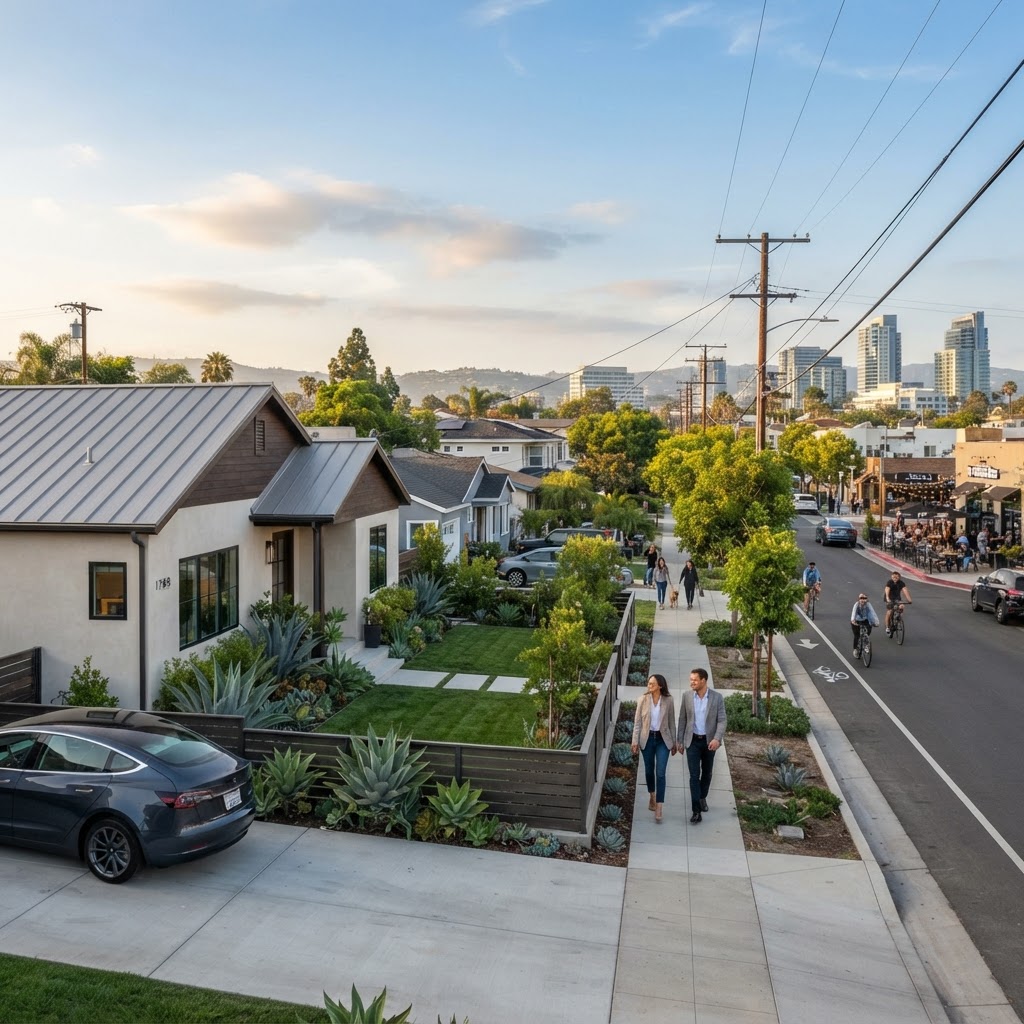
As of March 2026, North Park, San Diego, has transitioned from its 2010s reputation as a burgeoning arts district into a sophisticated model for high-yield urban infill. While many California neighborhoods struggle with inventory shortages, North Park has leaned into San Diego’s aggressive 'Complete Communities' housing program, creating a unique real estate climate where property value is increasingly tied to development potential rather than just square footage.
Policy-Driven Appreciation: The 'Bonus ADU' Effect
The primary driver of North Park’s 2026 market resilience is the utilization of Accessory Dwelling Unit (ADU) laws. According to data from the San Diego Housing Commission, North Park has seen a 22% increase in multi-generational and income-producing units on single-family lots over the last 24 months. For investors and homeowners, the neighborhood serves as a 'live-and-rent' laboratory.
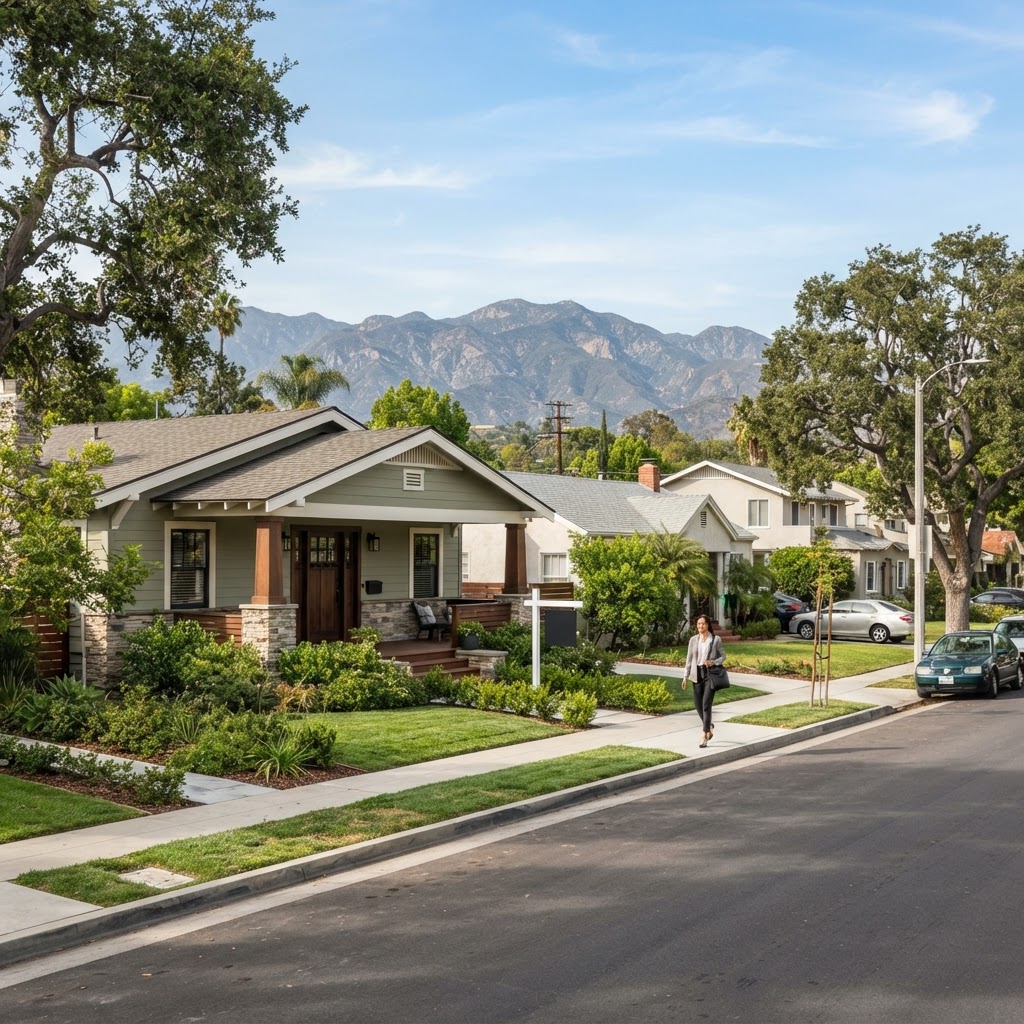
Under current 2026 guidelines, many North Park parcels located within Transit Priority Areas allow for 'Bonus ADUs' if units are designated for moderate-income housing. This has stabilized property values; while the San Diego County median single-family home price sits at approximately $985,000, North Park’s median has climbed to $1.28 million, largely due to the embedded 'development premium' found in R-2 and R-3 zoned lots.
Real Estate Fundamentals: 2026 Snapshot
- Median Single-Family Home Price: $1,280,000 (+4.8% YoY)
- Average Price Per Square Foot: $945
- Rental Yield (Multi-unit): 5.2% average cap rate for updated infill projects.
- Inventory Turnover: 18 days (Median time on market).
The Lifestyle Anchor: 30th Street and Balboa Park
Connectivity remains North Park’s greatest amenity. With a Walk Score of 92, the neighborhood is anchored by the 30th Street corridor—widely considered the 'craft beer capital of the world'—and its proximity to the northeast corner of Balboa Park. For the 2026 buyer, the draw is the '15-minute city' reality: residents can access the Morley Field Sports Complex, the San Diego Zoo, and over 60 independent eateries without a car.
Educationally, the neighborhood has seen a resurgence in its local schools. McKinley Elementary and Jefferson Elementary have both implemented International Baccalaureate (IB) programs, which have significantly bolstered home values in their respective catchments, drawing in young professional families who might have previously moved to the suburbs.
Transportation and Infrastructure
The 2026 completion of the Mid-City Rapid Bus improvements has streamlined the commute to Downtown San Diego and the Life Sciences hub in University City. Furthermore, the neighborhood’s investment in protected bike lanes on 30th Street and University Avenue has shifted buyer preferences, with 'bikeability' now ranking as a top-three search filter for local MLS listings.
Strategic Takeaways for Buyers and Investors
- For Investors: Focus on properties with Transit Priority Area (TPA) designations. The ability to add 'Bonus ADUs' provides a hedge against market volatility by diversifying income streams.
- For Sellers: Highlight 'Unused FAR' (Floor Area Ratio). In 2026, buyers are paying a premium for the potential to expand upwards or outwards under the latest local zoning relaxations.
- For Families: Target the southern 'Altadena' pocket of North Park. It offers larger lot sizes and closer proximity to the quietest sections of Balboa Park while remaining within the IB school boundaries.
North Park’s 2026 outlook confirms that urban density, when paired with high-quality lifestyle amenities and favorable local policy, creates a resilient and appreciating asset class in the California market.