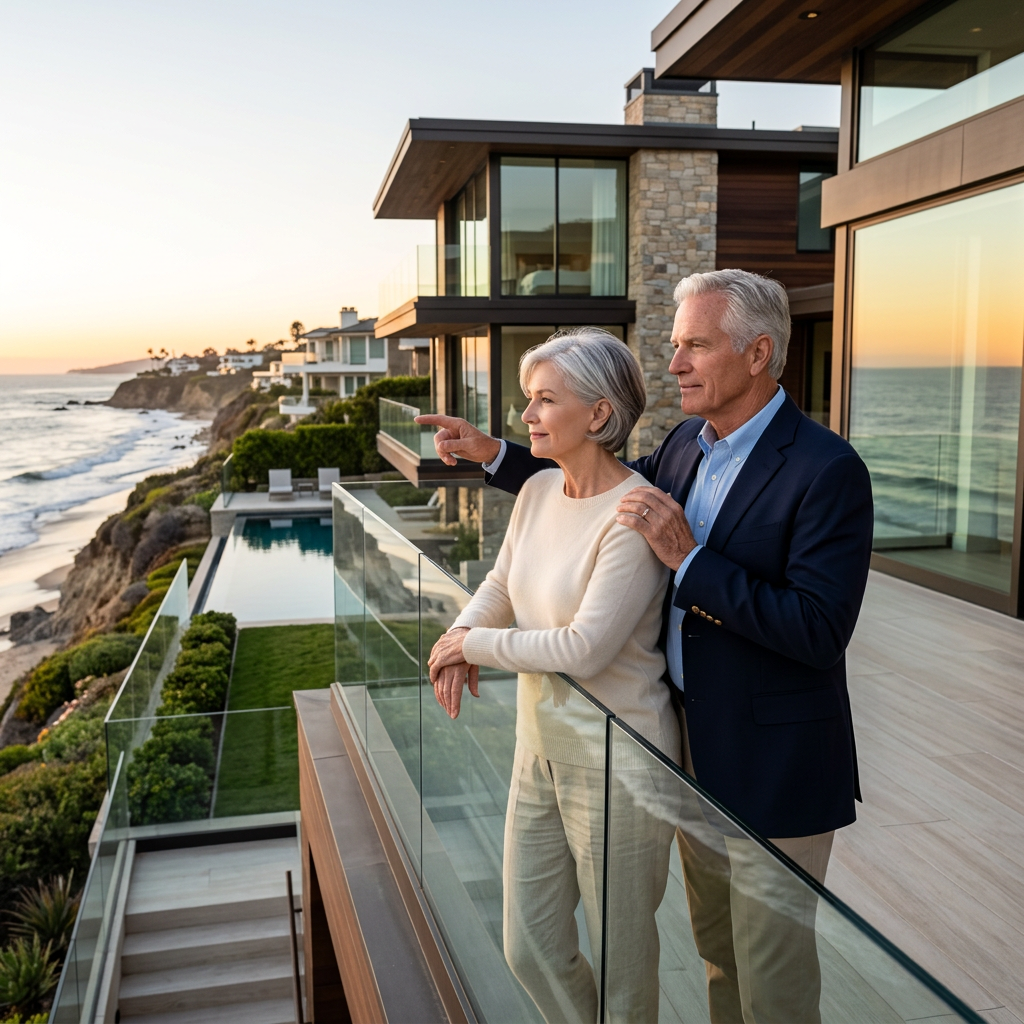
The Great Downsizing of 2026
For a decade, the California real estate market was defined by ‘tenure,’ as homeowners stayed in their properties longer than at any point in history. However, as of March 2026, the long-predicted ‘Silver Tsunami’ has officially reached the California coastline. Data from the California Association of Realtors (CAR) and recent MLS filings indicate a 14% year-over-year increase in luxury listings (priced above $3 million) in zip codes historically dominated by the 65-plus demographic.
Unlocking Legacy Inventory
Cities like Montecito, Newport Beach, and Carmel-by-the-Sea are seeing a surge in inventory that hasn't been seen since 2018. According to a recent report by CBRE, the primary driver isn't financial distress, but a lifestyle pivot. ‘The 2026 retiree is prioritize mobility over square footage,’ says the report. This shift is finally loosening the grip on ‘legacy’ homes—estates held by the same families for 30 to 40 years.
This influx of inventory is creating a rare buyer’s window in the ultra-luxury segment. While the broader California market remains competitive due to tight inventory in the entry-level tier, the $5 million-plus market is seeing longer days-on-market (DOM) and more flexible seller concessions. In Southern California, the average DOM for estates has climbed to 68 days, up from 42 days in early 2025.
The Rise of the ‘Lock-and-Leave’ Luxury Tier
While large estates are seeing more supply, the demand for high-end, low-maintenance living has reached a fever pitch. In 2026, the ‘managed luxury’ segment—ultra-premium condos and townhomes with full-service amenities—has become the hottest commodity. In San Francisco’s Nob Hill and Los Angeles’ Century City, price-per-square-foot for luxury condos has surpassed that of single-family homes in the same neighborhoods for the first time.
Investors and developers have pivoted quickly. Permits for high-density luxury residential projects in coastal zones have increased by 22% this year, aided by 2025 legislative streamlining that bypassed certain CEQA hurdles for infill projects. These ‘lock-and-leave’ properties cater to the downsizing Boomer who wants the prestige of a coastal zip code without the maintenance of a half-acre lot.
Practical Takeaways for the 2026 Market
- For Luxury Buyers: Use the inventory surge to your advantage. Sellers of legacy estates are increasingly open to contingent offers or seller financing to facilitate their own transitions into managed care or luxury condos.
- For High-End Sellers: To compete with the new wave of ‘lock-and-leave’ developments, legacy homes must be turnkey. Investing in modern accessibility features and simplified landscaping is currently yielding a 1.8x ROI at the point of sale.
- For Investors: The ‘active adult’ luxury rental market is underserved. Properties that offer proximity to medical hubs and high-end retail in coastal pockets like La Jolla or Sausalito are seeing 20% higher rent premiums than standard luxury units.
A Demographic Rebalancing
The 2026 spring market marks a turning point for California’s housing hierarchy. As the ‘Golden Handshake’ continues, we are seeing a healthier rotation of inventory. While it does not solve the affordability crisis for first-time buyers, the movement at the top of the ladder is creating a much-needed filtering effect, eventually freeing up mid-tier homes for Gen X and Millennial move-up buyers who have been sidelined for years.


