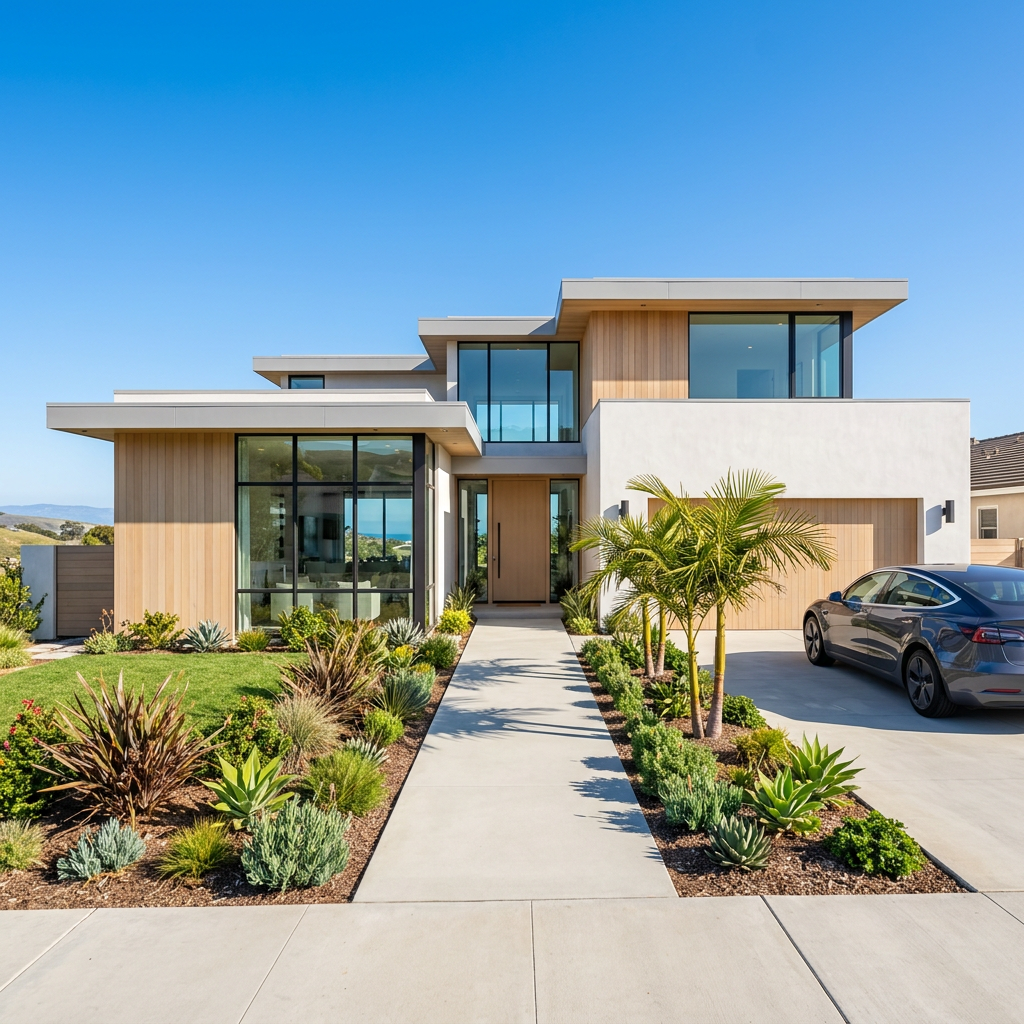
Navigating the High-Velocity 2026 California Market
As of Spring 2026, the California real estate market continues to be defined by a persistent inventory-to-demand imbalance. Data from the California Association of Realtors (CAR) indicates that while the 'lock-in effect' of low mortgage rates has eased slightly, the median time on market for a well-priced home in hubs like the Bay Area, San Diego, and Orange County remains under 20 days. For sellers, this creates a high-pressure environment where the first four days of a listing—the 'Sprint'—determine the final sale price and terms.
To maximize value in this environment, sellers must move beyond basic preparation and adopt a tactical execution strategy that leverages California's unique digital-first buyer pool and specific regional disclosure timelines.
The Power of the Thursday Launch
In the California market, timing is not just a preference; it is a statistical advantage. Analysis of MLS data suggests that listings debuting on Thursday receive 21% more foot traffic during the initial weekend open house compared to those launched on Monday or Tuesday. The logic is rooted in the digital 'refresh' cycle of major portals where buyers curate their weekend viewing lists on Thursday evenings.
- The 72-Hour Buzz: Utilize the 'Coming Soon' status allowed under NAR’s Clear Cooperation Policy for exactly 14 days prior to launch. This builds a digital trail and triggers 'New Listing' alerts precisely when buyers are planning their routes.
- The Monday Review: Explicitly state an 'Offer Review Date' for the following Monday or Tuesday. In the 2026 market, this creates a controlled 'auction' atmosphere, preventing preemptive offers from eroding potential bidding wars.
Data-Driven Pricing: The 5% Buffer
While high-equity sellers are often tempted to test the ceiling of the market, the 2026 landscape rewards 'magnetic pricing.' According to recent CBRE residential trend reports, homes priced within 5% of their fair market value attract three times more unique visitors than those priced at a 10% 'aspirational' premium.
In California’s high-cost environment, buyers are hyper-sensitive to monthly carrying costs. A price point that sits just below a major search filter (e.g., $999,000 vs. $1,050,000) captures a significantly larger pool of qualified leads who may ultimately bid the price up well beyond the $1.1 million mark.
Tactical Open House Execution
The 2026 California buyer expects an immersive experience. Beyond staging, sellers should focus on 'Transparency Marketing':
- The Digital Disclosure Suite: Have a QR code prominently displayed that links to a complete disclosure package (including the Natural Hazard Disclosure and recent inspections). This allows serious buyers to consult with their lenders and contractors in real-time, often leading to non-contingent offers by Monday.
- The Connectivity Audit: With remote work remains a staple of the CA economy, provide a certified report of internet speeds and cellular signal strength within the home. In a survey of recent California movers, 64% cited 'digital infrastructure' as a top-three priority.
Managing the Multi-Offer 'Auction'
Success in the California Sprint often results in multiple offers. However, the highest price is not always the best contract. In 2026, with shifting appraisal standards, the 'Proof of Funds' and the 'Appraisal Gap Coverage' clause are more critical than the top-line number.
| Offer Element | Value to Seller | Risk Mitigation |
|---|---|---|
| Appraisal Contingency Gap | High | Protects against 'down-appraisal' in volatile zip codes. |
| Rent-Back Agreement | Medium | Provides flexibility for the seller’s next move. |
| Increased Earnest Money | Medium | Ensures buyer 'skin in the game' (standard is 3% in CA). |
Practical Takeaways for 2026 Sellers
- Audit your digital footprint: Ensure your home's 'Street View' and historical data on third-party sites are accurate before the Thursday launch.
- Front-load the inspections: Spending $600-$1,200 on pre-listing inspections reduces buyer uncertainty and leads to cleaner, 'as-is' offers.
- Focus on the 'First 10 Feet': In high-density California markets, curb appeal and the entryway experience account for a disproportionate amount of buyer emotional investment.


