The Decarbonization Divide: 2026 Energy Mandates Split the California Market
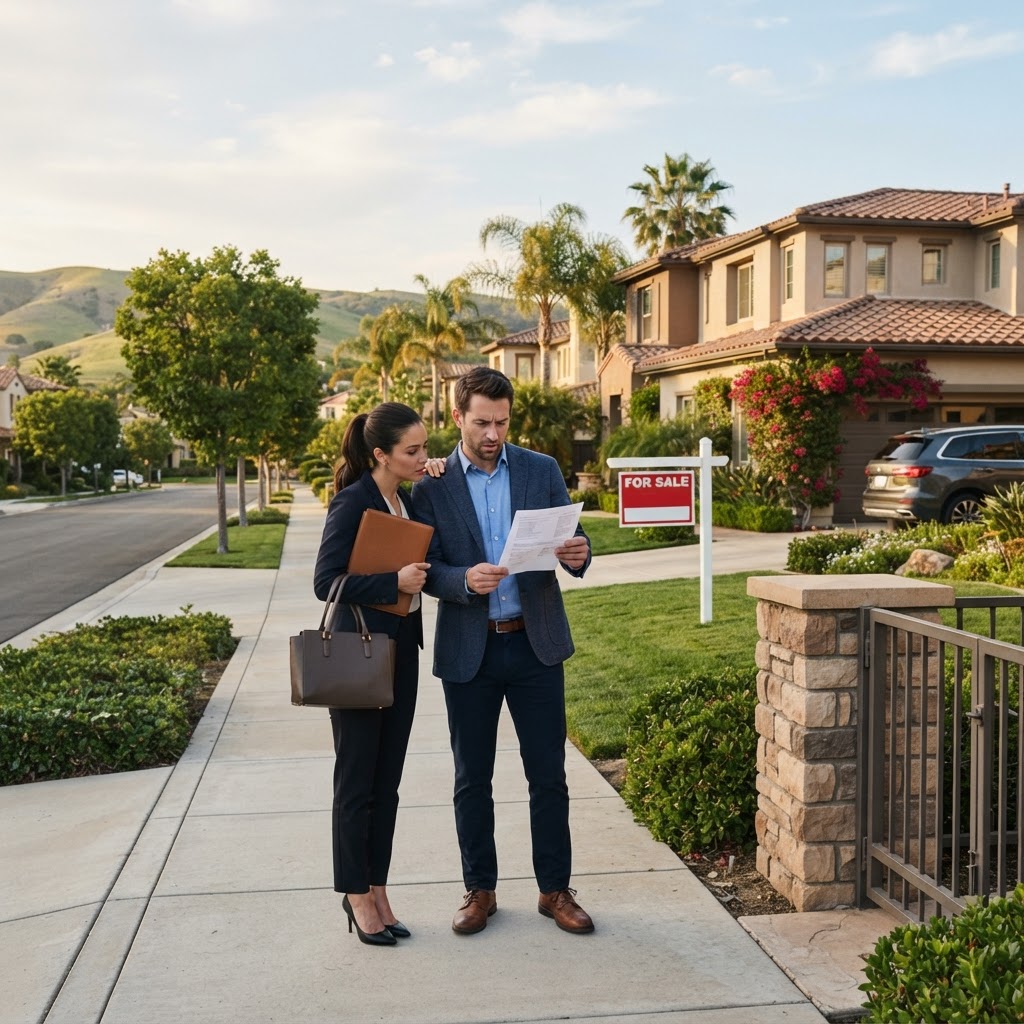
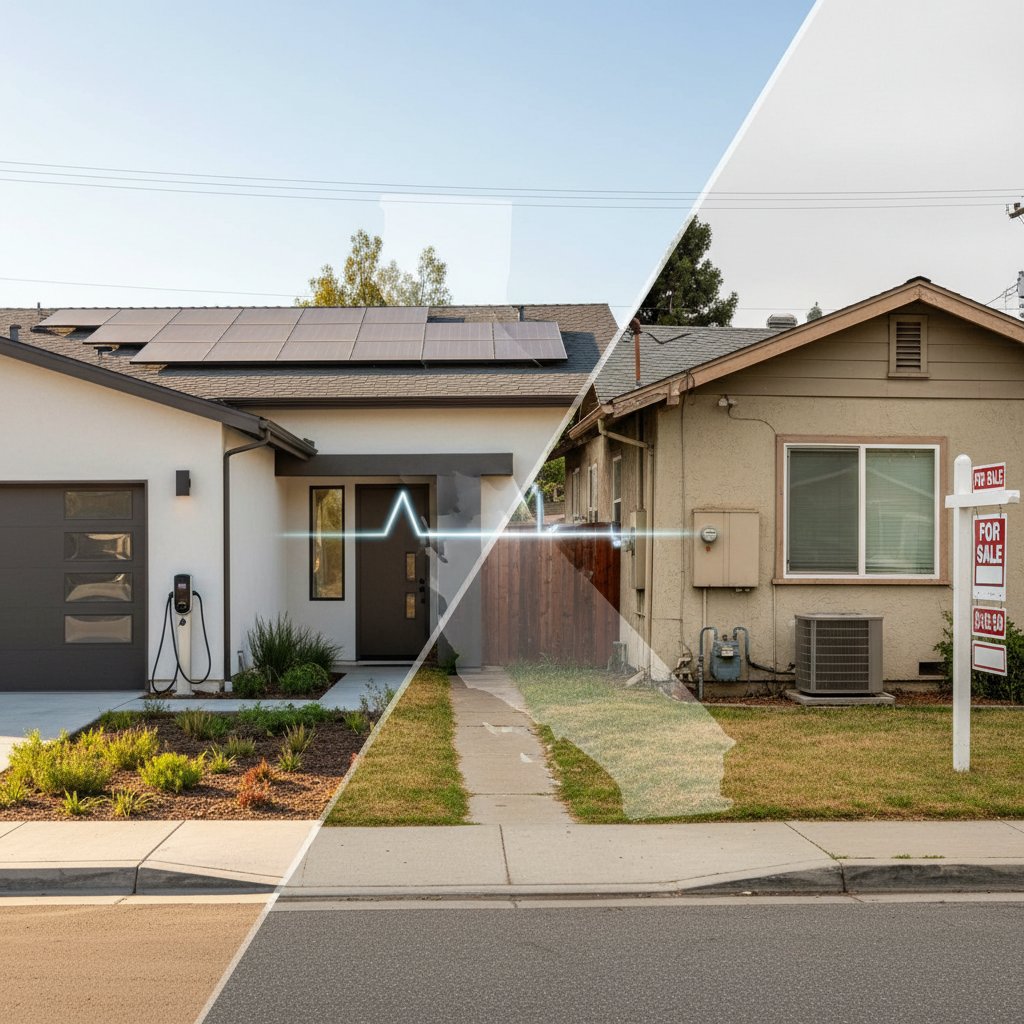
As the California spring buying season kicks into high gear this March 25, 2026, a new variable has overtaken traditional square footage and school districts as a primary driver of home valuation: energy infrastructure. Following the full implementation of the California Energy Commission’s (CEC) 2025-2026 Title 24 update, the state’s housing market is witnessing a sharp divergence between 'all-electric ready' properties and 'gas-legacy' homes.
The Rise of the 'Green Premium'
Data from the California Association of Realtors (CAR) released this week reveals that homes equipped with heat pump HVAC systems, induction cooktops, and Level 2 EV charging stations are selling for an average of 5.8% more than comparable gas-reliant homes in the same ZIP codes. In high-demand markets like Santa Clara and San Diego, this 'decarbonization premium' has stretched to 8.2%.
The shift is driven by more than just environmental preference. Under the new 2026 mandates, significant renovations (those exceeding $75,000 in valuation) now trigger compulsory electrification upgrades. For buyers of older homes, the prospect of an immediate $15,000 to $30,000 retrofit cost is being baked into their initial offers.
Institutional Shifts and Lending Trends
It isn't just buyers driving the change. Major lenders in the state, including several California-based credit unions, have begun offering 'Green-Track' mortgages. These products offer a 15-basis-point reduction in interest rates for homes that meet the 2026 Tier 1 Energy Standards. Conversely, some insurers—already skittish in the California market—are beginning to flag older gas-line infrastructures in high-density areas as secondary risk factors, further pushing buyers toward electrified inventory.
Practical Takeaways for the 2026 Market
- For Sellers: Before listing an older property, consider a 'pre-electrification' audit. Even if you don't perform the upgrades, having a certified quote and a clear understanding of the home’s capacity for a 200-amp panel upgrade can prevent deals from falling through during the inspection period.
- For Buyers: Look for the 'Electric-Ready' designation in MLS listings. While these homes have a higher sticker price, the long-term savings on utility bills—estimated by the California Public Utilities Commission (CPUC) to save households an average of $450 annually—and the avoidance of future mandatory retrofit costs often justify the premium.
- For Investors: Focus on 'B-grade' properties in coastal zones that can be retrofitted using the current 2026 Federal and State rebate stacks. The HEEHRA (High-Efficiency Electric Home Rebate Act) funds are still available for moderate-income households, providing a significant margin for those flipping legacy homes into modern, compliant residences.
A New Baseline for Luxury
In the luxury sector, the 'all-electric' home has moved from a niche architectural choice to a standard requirement. In Los Angeles and San Francisco, the 2026 'net-zero' luxury tier is seeing inventory levels move 12 days faster than the general market. As one prominent Bay Area developer noted, 'Gas ranges have become the wood-burning fireplaces of the 2020s—a nostalgic feature that modern buyers view as a liability.'