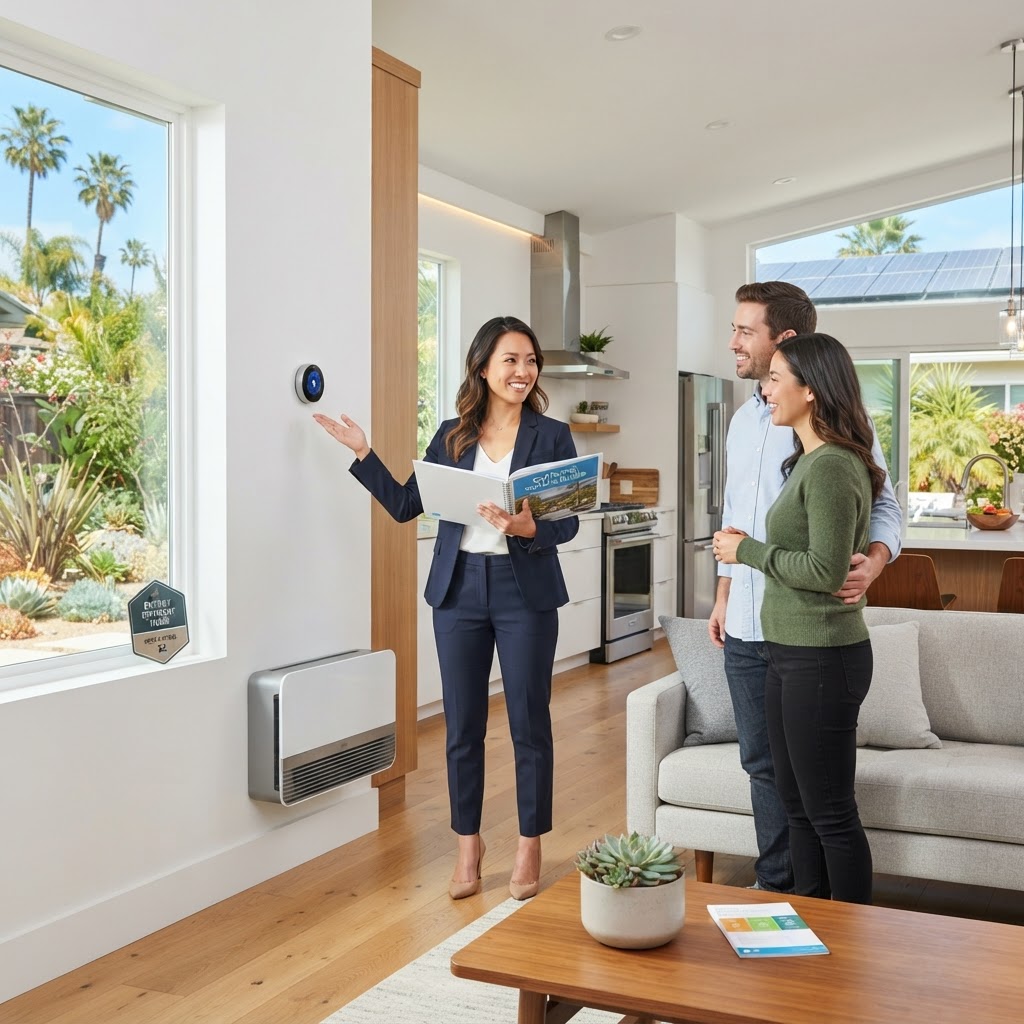
The Shift from Aesthetics to Efficiency
As we move through the spring of 2026, the California real estate landscape has undergone a fundamental shift. While granite countertops and open floor plans remain attractive, the primary drivers of high-value offers are now rooted in climate resilience and energy independence. With California utility rates rising 15% faster than the national average over the last three years, buyers are scrutinizing the 'hidden costs' of homeownership more than ever before.
The 'Green Premium' in 2026
Recent data from the National Association of Realtors (NAR) and the California Energy Commission (CEC) indicates that homes with certified energy-efficient upgrades are selling for a 4% to 7% premium compared to non-retrofitted neighbors. In markets like the Bay Area and San Diego, this 'Green Premium' is even more pronounced.
To maximize value in 2026, sellers must move beyond basic repairs and focus on high-impact sustainability features that resonate with the modern, eco-conscious Californian buyer.
1. Electrification and EV Readiness
By 2026, the transition away from gas is no longer a future goal—it is a current market demand. Homes equipped with heat pump water heaters, induction cooktops, and, most importantly, Level 2 EV charging stations in the garage, see significantly higher engagement on listing portals. According to MLS data from late 2025, listings mentioning 'EV Charger' sold 12 days faster on average than those without.
2. Water Stewardship and High-Performance Xeriscaping
Curb appeal in California has been redefined. The lush, thirsty lawn is now often viewed as a financial liability. Sellers who have invested in high-performance xeriscaping—utilizing native, drought-tolerant flora and smart irrigation systems—are seeing a higher Return on Investment (ROI) than those who simply refresh mulch. A 2025 UCLA study found that drought-resilient landscaping can increase a California home's value by up to $15,000 in arid regions.
3. The HERS Index and Energy Transparency
Smart sellers are now commissioning a Home Energy Rating System (HERS) report before hitting the market. Much like a traditional home inspection, a HERS report provides a score on energy performance. In a market where transparency is king, providing a documented low HERS score (indicating high efficiency) builds immediate trust with buyers who are wary of future utility spikes.
Marketing the 'Invisible' Upgrades
One of the biggest challenges for sellers is highlighting upgrades that are hidden behind walls. To maximize equity, your marketing strategy must make the invisible, visible:
- Energy Modeling: Include a 12-month summary of utility bills in your disclosure package to prove the efficiency of your solar or insulation upgrades.
- Visual Cues: Use professional photography to highlight smart thermostats, high-efficiency HVAC units, and attic insulation levels.
- Certifications: If your home meets LEED or Energy Star standards, ensure these logos are watermarked on your listing photos.
Practical Takeaways for 2026 Sellers
- Audit Your Energy: Before listing, perform a professional energy audit to identify low-cost/high-impact fixes like weather-stripping or duct sealing.
- Prioritize the Panel: If you are upgrading, prioritize your electrical panel. A 200-amp service is now considered the baseline for modern CA homes with multiple electric appliances.
- Highlight the 'Resiliency' Factor: If you have battery storage (like a Tesla Powerwall), market it as 'Grid Independence' to appeal to buyers concerned about seasonal power outages.
- Native is Better: Replace tired annuals with California native plants. Not only do they save water, but they also require less maintenance during the escrow period.
In 2026, a successful sale isn't just about finding a buyer; it's about proving your home is a sustainable, cost-effective vessel for the future of California living.