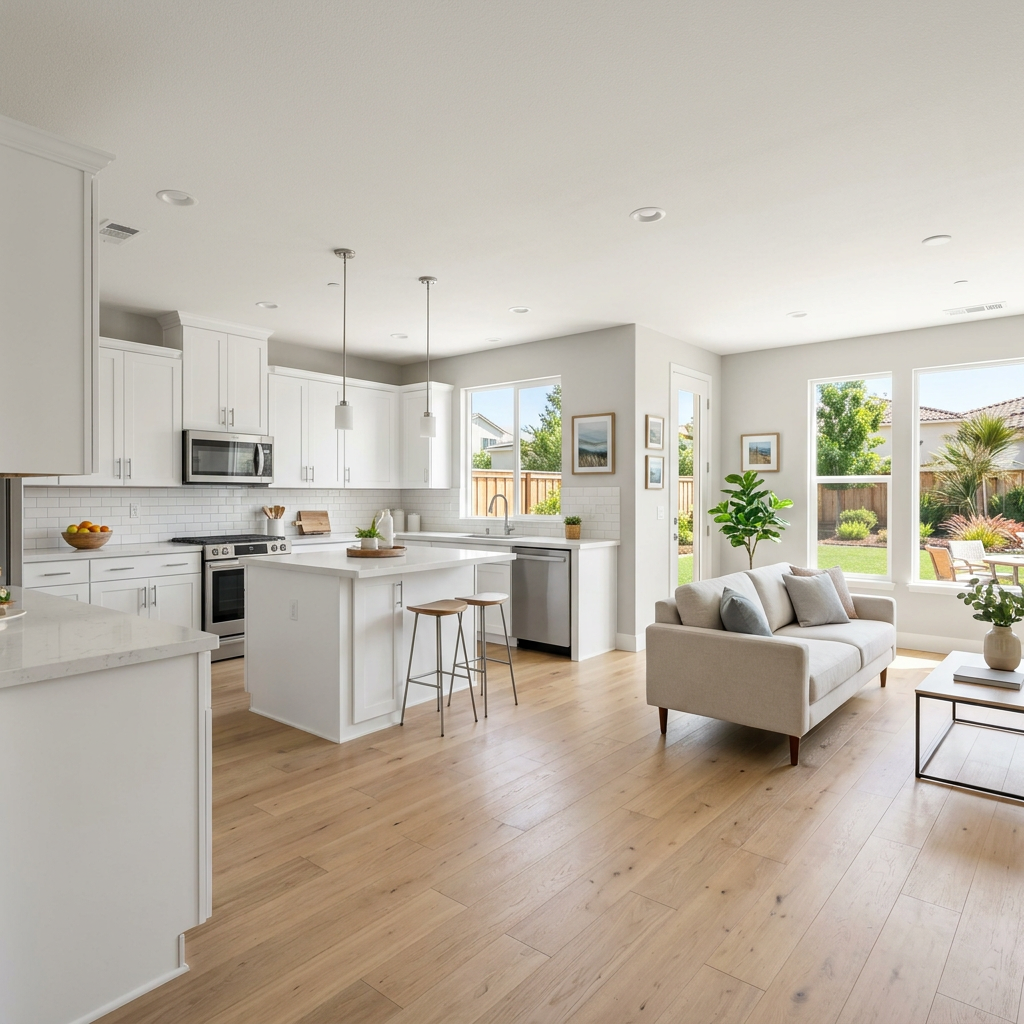
The 2026 Shift: Why 'As-Is' is a Losing Strategy
As we move through the first quarter of 2026, the California real estate landscape has dictated a clear ultimatum for sellers: move-in ready or move aside. With mortgage rates stabilizing but remaining significantly higher than the pandemic-era lows, the modern California buyer is often 'cash-poor' after securing a down payment. According to recent data from the California Association of Realtors (C.A.R.), homes marketed as 'turnkey' or 'fully renovated' are currently commanding a 12% price premium compared to those requiring even minor cosmetic repairs.
This 'Move-In Ready Mandate' is driven by the soaring costs of labor and materials in the Golden State. For a buyer, financing a slightly higher purchase price into a mortgage is far more palatable than out-of-pocketing $50,000 for a kitchen remodel at today's contractor rates.
Prioritizing High-ROI Physical Improvements
Not all renovations are created equal. In 2026, sellers must focus on 'perceived value' and 'functional reliability.' Data from the 2025 NAR Remodeling Impact Report suggests that for California sellers, the following three areas offer the most significant return on investment:
- The 'Minor' Kitchen Refresh: A full gut renovation rarely nets a 1:1 return. However, a 'refresh'—refacing cabinets, installing quartz countertops, and updating to energy-efficient appliances—recovers approximately 85-92% of its cost at sale while drastically reducing days on market.
- Energy Infrastructure: With California's high utility rates and the expansion of Title 24 requirements, buyers are scrutinizing home systems. Upgrading to a hybrid heat pump water heater or ensuring the HVAC is under 10 years old can be the difference between a firm offer and a request for heavy closing credits.
- The Luxury Exterior: Curb appeal remains the most undervalued asset. In 2026, drought-tolerant 'California-native' landscaping is no longer just a trend—it’s a requirement. Replacing thirsty lawns with permeable pavers and native flora typically yields a 105% ROI.
The 'Clean Bill of Health' Strategy
To maximize value in 2026, savvy sellers are adopting a 'pre-emptive strike' approach to inspections. Rather than waiting for the buyer's contingency period, top-performing sellers are providing a 'Clean Bill of Health' packet upon listing. This includes:
- A pre-sale general home inspection.
- A cleared Section 1 termite report.
- A roof certification (minimum 2-year life expectancy).
By disclosing and/or repairing these items upfront, you eliminate the 'uncertainty discount' that buyers build into their offers. In competitive markets like the Bay Area and Southern California, this transparency often triggers non-contingent offers, which are currently valued at a 3-5% premium over contingent ones.
Practical Takeaways for 2026 Sellers
To navigate the current market effectively, follow these three tactical steps:
- Audit the Competition: Visit local open houses not just for pricing, but to see the 'standard' of finish. If every sold home in your neighborhood has LVP flooring and your home has aging carpet, that is your first priority.
- Focus on 'Invisible' Value: In 2026, a smart home integration system (smart thermostats, leak detectors, and EV charging ports) is a low-cost, high-impact 'wow' factor that appeals to the tech-centric California demographic.
- Stage for the 'Third Room': With remote work permanently integrated into the CA economy, stage any flex space as a professional office. Buyers are specifically looking for dedicated work-from-home environments that are acoustically separated from the main living areas.
The 2026 seller cannot rely on market momentum alone. By focusing on high-ROI physical preparation and removing buyer friction through pre-inspections, you position your property as a safe, turnkey investment in a complex economic environment.