The Great Decoupling: Life Events vs. Interest Rates
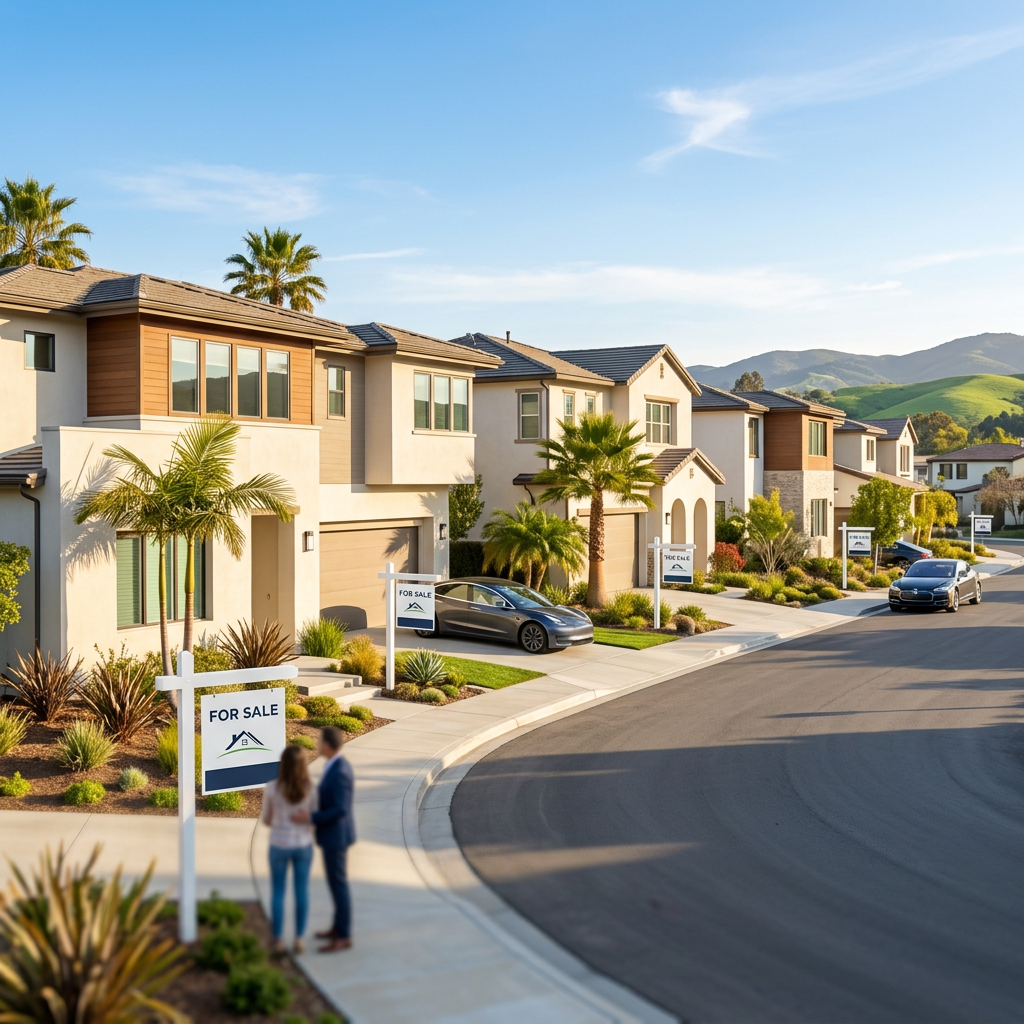
For the past three years, the California housing market was defined by the 'lock-in effect'—a phenomenon where homeowners with 3% mortgage rates refused to sell, fearing the jump to 6%. However, as of March 2026, data from the California Association of Realtors (CAR) indicates a significant shift. Active listings across the Golden State have increased by 14.2% year-over-year, even as the 30-year fixed rate remains stubbornly anchored near 6.1%.
Market analysts suggest we have reached a 'fatigue point.' The structural needs of households—marriages, births, divorces, and job transfers—are finally outweighing the financial benefit of holding onto a low-interest debt. This decoupling of life events from interest rate optimization is creating the most liquid California spring market since 2019.
Inventory Trends: Regional Hotspots
The inventory surge is not uniform across the state. According to recent MLS data, the following trends are emerging:
- The Inland Empire: Riverside and San Bernardino counties have seen a 19% spike in inventory, as remote workers who moved during the pandemic are now relocating closer to newly reopened corporate hubs or downsizing.
- Coastal Resilience: While San Francisco and San Diego inventory remains tighter, listing volume is up 8%, driven primarily by retirees transitioning to assisted living or out-of-state destinations.
- The Luxury Segment: Homes priced above $2.5 million are seeing the longest days-on-market (DOM), currently averaging 58 days, providing buyers in this tier with unprecedented leverage.
The Shift from 'Rate Buydowns' to 'Seller Concessions'
In 2025, the narrative was dominated by builder-funded rate buydowns. In early 2026, the strategy has shifted toward direct seller concessions. With more competition on the market, sellers can no longer rely on scarcity to drive bidding wars. NAR data for Q1 2026 shows that 32% of California sellers are now providing credits for closing costs or non-recurring items—up from just 12% two years ago.
Practical Takeaways for 2026 Buyers
With more choices on the market, the strategy for California buyers has evolved from 'winning at any cost' to 'calculated negotiation.' Consider the following:
- Target 'Aged' Listings: In a 6% environment, any listing over 30 days is likely overpriced or has a motivated seller. Use the increased inventory to negotiate for repair credits that were unheard of during the 2021-2023 era.
- Explore Second-Lien Options: For buyers with significant down payments, some California lenders are offering '80/10/10' structures to keep the primary mortgage balance lower, effectively mitigating the total interest paid.
- Focus on 'Assumable' Opportunities: While rare in conventional loans, the surge in listings includes a higher volume of FHA and VA loans which may be assumable at their original rates (often 3-4%). Always ask the listing agent about the existing financing structure.
The Bottom Line
The 'New Normal' of 6% rates is no longer the primary deterrent for California sellers. As the market thaws, buyers finally have the one thing they have lacked for years: choice. While the cost of capital remains high, the ability to inspect, negotiate, and select from a growing pool of inventory marks a return to a healthier, more balanced California real estate ecosystem.


