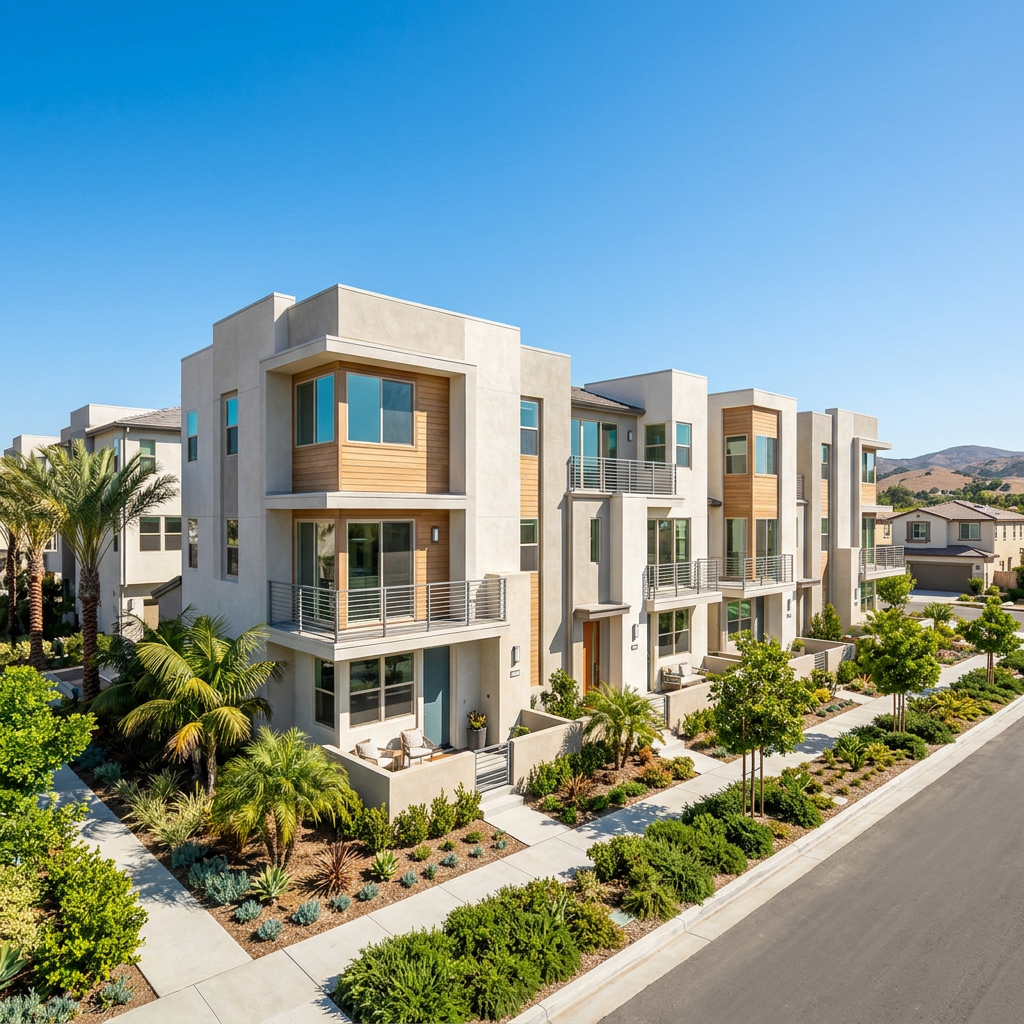
The Equity-Sharing Catalyst
As of March 21, 2026, the California real estate landscape is witnessing a significant structural shift. While luxury coastal markets have dominated the headlines for years, the first quarter of 2026 has belonged to the 'Missing Middle.' This resurgence is largely attributed to the full implementation of the California Dream For All 2.0 expansion, a state-backed shared appreciation program that received a $550 million infusion in the last budget cycle.
According to recent data from the California Association of Realtors (CAR), pending sales for townhomes and condominiums have jumped 14.2% year-over-year, significantly outpacing the 3.8% growth seen in the single-family detached segment. This surge indicates that middle-income buyers, previously sidelined by high interest rates and the insurance crisis, are finding a new path to homeownership through state-assisted equity partnerships.
The Shift to Higher-Density Housing
The movement isn't just about financing; it's about inventory. With the 2026 Housing Element mandates forcing municipalities to greenlight higher-density projects, a wave of new-construction townhomes has hit the market in the Inland Empire, Sacramento, and the North Bay. Data from the U.S. Census Bureau shows a 22% increase in multi-unit residential completions in California over the last six months compared to the same period in 2025.
“We are seeing a fundamental pivot in buyer psychology,” says Elena Rodriguez, a senior analyst at a leading West Coast real estate firm. “The 'Missing Middle' buyer is no longer waiting for a detached starter home that may never materialize. Instead, they are leveraging state equity programs to secure high-end, energy-efficient townhomes in transit-oriented developments.”
Regional Hotspots: Inland Empire and Central Valley
The Inland Empire (Riverside and San Bernardino counties) has emerged as the epicenter of this trend. MLS data reveals that the median time on market for townhomes in these areas has dropped to just 18 days, down from 34 days a year ago. Similarly, the Central Valley is seeing a robust influx of buyers from the Bay Area who are utilizing the shared equity program to purchase townhomes that offer urban amenities at a fraction of the cost of Silicon Valley real estate.
Key Takeaways for Market Participants
- For Buyers: Ensure you are working with a lender certified for the California Dream For All 2.0 program. With the current demand, the $550 million pool is expected to be fully committed by mid-summer. Focus on townhomes and condos, as these units currently offer the best appraisal-to-price ratios.
- For Sellers: If you are selling a condo or townhome, emphasize FHA and state-program eligibility in your marketing. The influx of first-time buyers means that 'move-in ready' status is more critical than ever, as these buyers often have limited cash reserves for immediate renovations.
- For Investors: The 'Missing Middle' demand suggests that the long-term rental market for 2-3 bedroom townhomes will remain tight. Purchasing units in areas with pending transit expansions (e.g., the Brightline West corridors) could offer significant appreciation as these hubs become permanent residences for the state’s workforce.
Looking Ahead: Q2 Projections
As we move deeper into the spring season, the interaction between stabilized interest rates and state-backed equity will likely sustain this momentum. However, experts warn that the supply of townhomes, while growing, still lags behind the total demand from the state's 1.2 million 'missing middle' households. For now, the 2026 market is proving that density and equity-sharing are the primary keys to unlocking California’s frozen housing ladder.