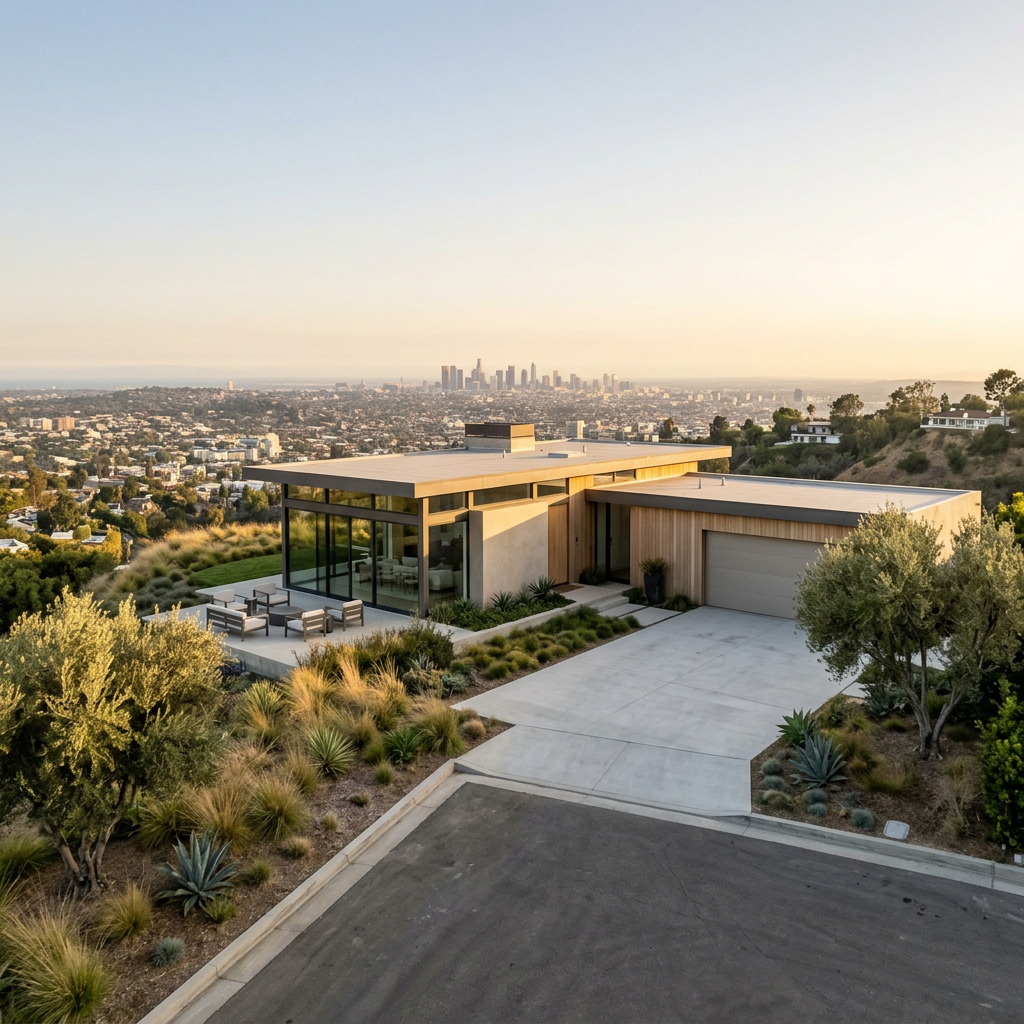
The 2026 Landscape: Stability Over Volatility
As of March 18, 2026, the California real estate market has transitioned from the erratic fluctuations of the post-pandemic era into a period of calculated stabilization. Unlike the rapid appreciation seen in 2021 or the correction of 2023, today's market is defined by a 'high-interest plateau.' With the 30-year fixed mortgage rate hovering around 5.8%, both buyers and sellers have finally adjusted to a new cost-of-capital reality. Data from the California Association of Realtors (CAR) indicates a statewide median home price of $872,000, representing a modest 3.2% year-over-year increase.
The Coastal Resurgence vs. Inland Consolidation
The most significant trend in Q1 2026 is the divergence between coastal urban centers and the inland 'Zoom towns' that boomed during the early 2020s. In San Francisco and West Los Angeles, inventory remains critically low, but demand has surged as hybrid work models solidified into 3-4 day in-office mandates. MLS data shows that properties in Santa Clara and San Mateo counties are seeing multiple offers for the first time in two years, driven by a stabilized tech sector and significant stock-based wealth.
Conversely, the Inland Empire and Central Valley are experiencing a 'consolidation phase.' During the 2020-2024 migration, these regions saw price growth exceeding 40%. In 2026, we see a cooling effect. Absorption rates in Riverside and Fresno have slowed to 3.5 months of inventory, compared to just 1.8 months in coastal San Diego. For investors, this creates a unique window: cash-flow opportunities are emerging inland as price growth stalls, while equity growth remains the primary play in the coastal tier.
Economic Drivers: The 'Locked-In' Effect Persists
The fundamental challenge to California’s market remains the 'locked-in' effect. According to Federal Reserve data, approximately 62% of California homeowners still hold mortgage rates below 4%. This has created a persistent floor under home prices; even with higher rates, there is no wave of distressed selling because owners cannot afford to trade their current debt for a new 5.8% loan. Census Bureau data also highlights a significant decline in out-migration, as the cost of living gap between California and former 'refuge' states like Texas and Florida has narrowed significantly over the last 24 months.
Strategic Takeaways for Market Participants
- For Buyers: Focus on 'Time on Market' (TOM). While coastal properties sell fast, inland luxury listings (over $1.2M) are seeing price reductions. Use the current stabilization to negotiate repairs or rate buy-downs, which have become common concessions in the 2026 climate.
- For Investors: The 2026 play is in Medium-Term Rentals (MTRs). With high interest rates limiting first-time buyers, the demand for high-quality, flexible housing for traveling professionals remains at an all-time high, particularly near healthcare hubs in Sacramento and Orange County.
- For Sellers: Pricing accuracy is paramount. The days of 'testing the market' with an inflated price tag are gone. Properties priced within 2% of recent comps are selling within 21 days; those priced 5% over are languishing for 60+ days.
Conclusion: A Return to Fundamentals
The California market in 2026 is no longer a theater of speculation. It is a market driven by necessity, demographic shifts, and localized economic strength. As we move into the spring buying season, the focus remains on inventory. Until the state’s housing production matches its demand—a gap still estimated at over 2 million units—the upward pressure on prices will remain the dominant force, regardless of the interest rate environment.