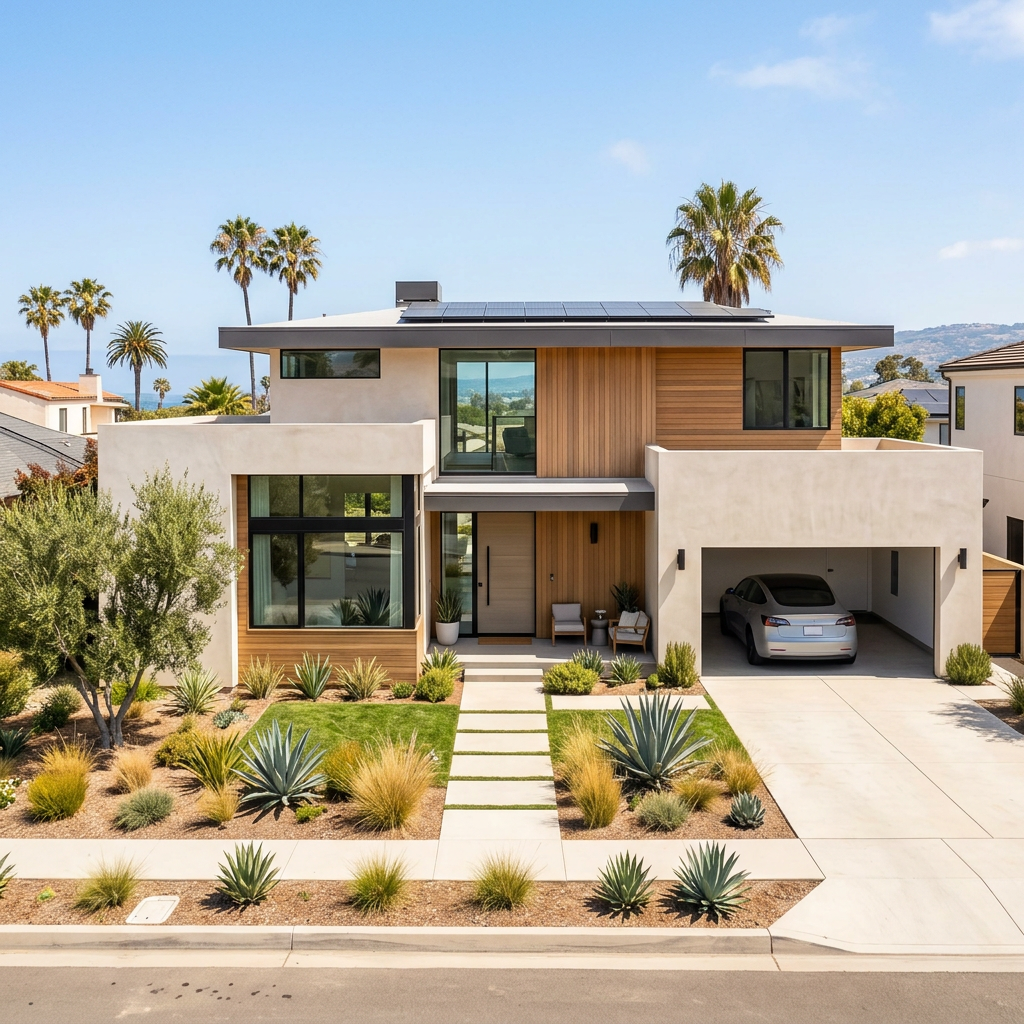
Navigating the California Seller's Market in 2026
The California real estate landscape has undergone a seismic shift over the last two years. As of March 2026, the market is defined by a persistent inventory shortage—currently sitting at a 2.8-month supply according to California Association of Realtors (C.A.R.) data—and a sophisticated buyer pool that prioritizes transparency and multi-generational living potential. To maximize home value in the current climate, sellers must look beyond cosmetic upgrades and focus on structural value-adds and legal compliance.
1. The ADU Premium: Marketing 'Infill' Potential
With the continued expansion of SB 9 and SB 10, California homes are no longer valued solely as single-family residences; they are valued as potential multi-unit sites. Data from 2025 suggests that homes with existing Accessory Dwelling Units (ADUs) or clear, permitted 'shovel-ready' plans sell for an average of 12-15% more than comparable homes without them. If you haven't built an ADU, providing a 'feasibility report' from a local architect can significantly increase your home’s attractivity to investors and multi-generational families.
2. Strategic Disclosure: The Best Defense is a Good Offense
California is notorious for its rigorous disclosure requirements, particularly regarding the Natural Hazard Disclosure (NHD) statement. In 2026, savvy sellers are opting for 'Pre-Sale Inspections.' By providing a general home inspection, a pest report, and a roof certification up front, you eliminate the buyer's ability to renegotiate during the contingency period. According to MLS statistics from the previous quarter, 'transparently listed' homes—those with full disclosure packages available at the first open house—close 8 days faster and have a 40% lower escrow fallout rate.
3. The New Commission Reality
Following the landmark NAR settlement implementation, the way commissions are handled is now a primary strategic lever. Sellers are no longer required to offer a set buyer’s agent commission in the MLS. However, in a market where interest rates remain a hurdle for first-time buyers, offering a 'Seller Concession' that can be used toward the buyer's closing costs or agent fees can broaden your pool of applicants. Consult with your broker on whether a fixed-fee or a performance-based incentive structure aligns best with your net equity goals.
4. Energy Efficiency and Title 24 Compliance
California’s Title 24 Building Energy Efficiency Standards are more stringent than ever. Buyers in 2026 are increasingly sensitive to utility costs. Highlighting energy-efficient upgrades such as heat pump water heaters, EV charging stations (now a high-demand feature in urban hubs like Los Angeles and San Jose), and solar battery storage systems (like the Tesla Powerwall) provides a tangible 'future-proof' value proposition. C.A.R. surveys indicate that 62% of CA buyers now list 'energy efficiency' as a top-three priority.
Practical Takeaways for Sellers
- Get an NHD Report Early: Understand your fire and flood zone status before pricing. If you are in a High Fire Severity Zone, ensure you have a defensible space inspection completed.
- Price for the 'Click': In a digital-first market, 95% of buyers see your home on a mobile device first. Use 'Value Range Pricing' to appear in more search filters.
- Address Prop 19 Realities: If you are over 55 or a victim of a wildfire, consult a tax professional about transferring your tax base to a new property, which may influence your selling timeline and net proceeds.
- Professional Staging is Non-Negotiable: In the 2026 market, 'vacant' homes sell for 5-7% less than staged homes. Professional digital or physical staging is essential to help buyers visualize the scale of open-concept floor plans.


