The 2026 California Landscape: Data and Dynamics
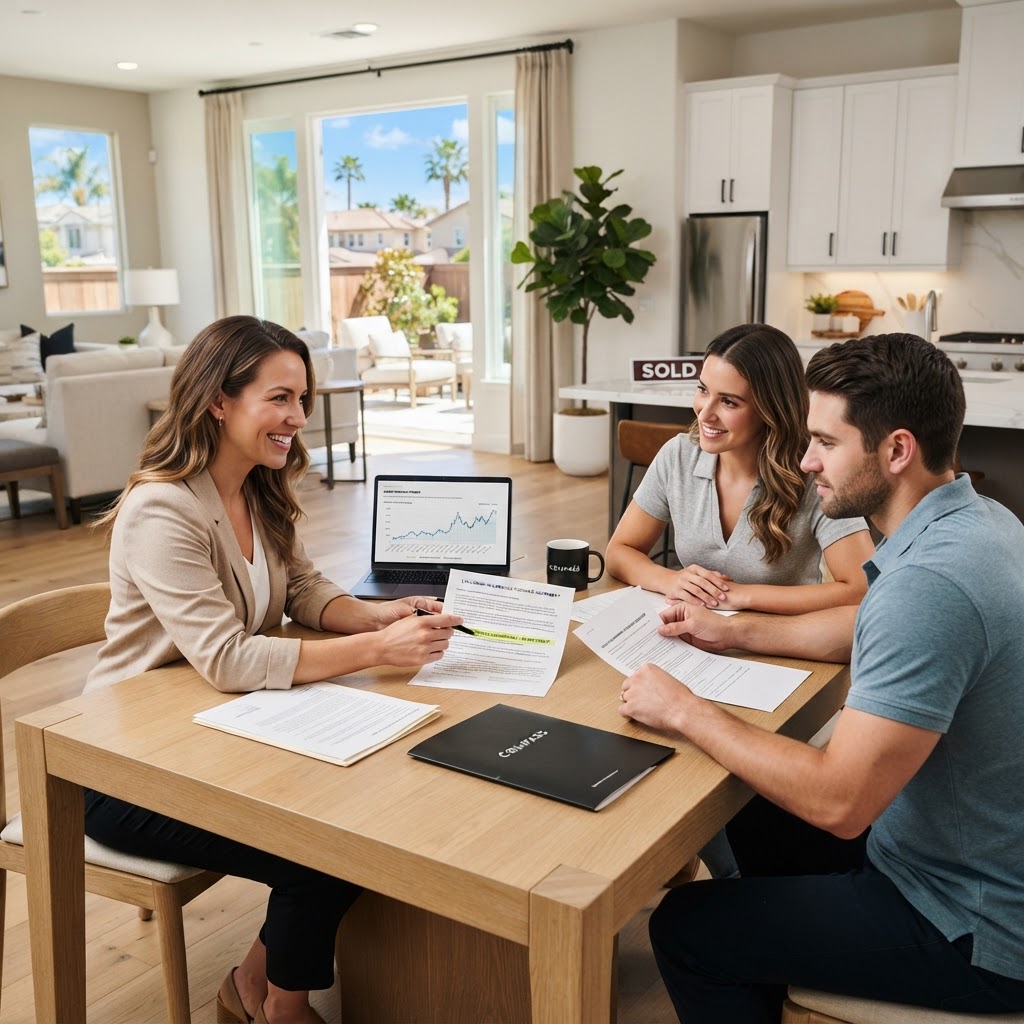
As of March 2026, the California real estate market has entered a phase of 'stabilized inventory.' Data from the California Association of Realtors (C.A.R.) indicates that while the median home price in the state remains near $840,000, the velocity of sales has slowed compared to the post-pandemic surge. For sellers, this means that generic marketing is no longer sufficient; success requires a surgical approach to preparation and pricing.
1. Mandatory Disclosures: The Shield Against Litigation
California is a 'pro-consumer' disclosure state. Beyond the standard Transfer Disclosure Statement (TDS) and Supplemental Property Questionnaire (SPQ), 2026 sellers must be acutely aware of the Natural Hazard Disclosure (NHD) reports. With updated wildfire hazard maps released by CAL FIRE, ensuring your property is correctly categorized is vital for buyer insurability. Practical Takeaway: Order your NHD report and a pre-sale home inspection before hitting the market. Transparency reduces the 'inspection contingency' friction that kills 15% of California escrows.
2. Maximizing Value Through ADU Potential
The ‘Granny Flat’ revolution continues to drive ROI. According to recent MLS data, California homes with existing Accessory Dwelling Units (ADUs) or permits in place sell for a 7-12% premium. Even if you haven't built one, providing a 'Feasibility Pack'—including site surveys and a summary of local SB 9 or SB 10 zoning allowances—can attract investors and multi-generational buyers alike.
3. The Prop 19 Advantage for Mature Sellers
For sellers aged 55 or older, Proposition 19 is a powerful tool. It allows homeowners to transfer their low property tax base to a new primary residence anywhere in California, up to three times. This mobility has increased inventory in luxury markets, but it requires careful coordination with tax professionals to ensure the 1031-exchange-like benefits are captured correctly within the two-year window.
4. Strategic Pricing in a 'Rate-Sensitive' Environment
With mortgage rates hovering in the 5.5% to 6.2% range in early 2026, buyer purchasing power is fixed. Sellers should avoid 'aspirational pricing.' Data from the National Association of Realtors (NAR) shows that homes priced within 2% of their Fair Market Value (FMV) receive 3x more traffic in the first 10 days than those priced 5% above. Strategic Tip: Consider offering a 'Permanent Rate Buydown' as a seller concession. This often costs less than a price reduction and is more effective at lowering a buyer's monthly payment.
5. Curb Appeal and Title 24 Compliance
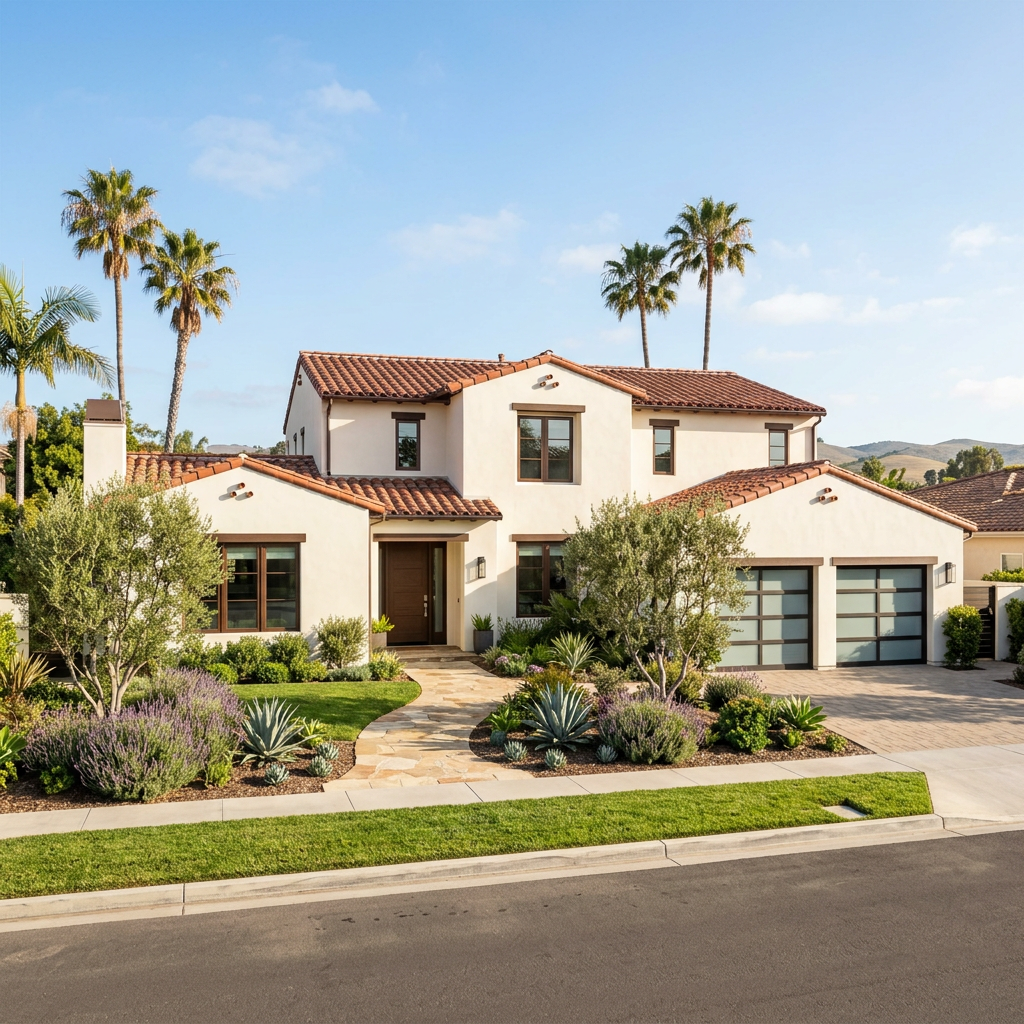
California’s Title 24 energy standards are increasingly scrutinized. Highlighting energy-efficient upgrades, such as cool roofs, dual-pane windows, or EV charging stations (standard in new CA builds since 2020), appeals to the environmentally conscious and cost-aware buyer. Practical Takeaway: Invest in drought-tolerant 'California-native' landscaping. It reduces water costs for the buyer and enhances curb appeal in a climate-stressed market.
Actionable Checklist for the 2026 Seller
- Audit your Equity: Contact your lender for a payoff quote to understand your net proceeds after the standard 5-6% commission and closing costs.
- Secure the NHD: Verify your wildfire and flood zone status early to avoid insurance-related escrow delays.
- Stage for the Camera: 97% of buyers find their home online. High-end professional photography and a 3D matterport tour are non-negotiable in the California market.
- Review the 'Clear Cooperation' Policy: Work with your broker to decide between a 'Coming Soon' strategy or a full MLS launch to maximize exposure.